

Health & Medical Emergencies During Ramadan: Everything You Need to Know
Ramadan brings significant changes to eating habits and daily rhythms. Learn how to protect your health, recognize emergency warning signs, and know when to call a doctor during the holy month.
Published
Last medically reviewed

Ramadan and Health: Finding the Right Balance
Ramadan is a sacred month observed by millions of Muslims worldwide. While fasting is a profound spiritual and physical practice, it also requires significant physiological adaptations that everyone should understand in order to stay healthy throughout the month.
In Tangier, as across Morocco, the Enurgence.ma medical team remains on call 24/7 to respond to medical emergencies, particularly those related to prolonged fasting.
The Most Common Medical Risks During Ramadan
1. Dehydration
The absence of fluid intake during fasting hours can quickly lead to dehydration, especially in summer when temperatures in Tangier can be high. Warning signs to watch for include:
- Intense and persistent headaches
- Dryness of the mouth and lips
- Dark, infrequent urination
- Dizziness or lightheadedness, especially when standing up
- Dry skin with reduced elasticity
Medical advice: Drinking between 1.5 and 2 liters of water between Iftar and Suhoor is essential. Avoid sugary, caffeinated, or very cold drinks that may worsen dehydration.
2. Hypoglycemia (Low Blood Sugar)
Diabetic patients and even healthy individuals can experience hypoglycemia in the late hours of the fast. Symptoms include:
- Trembling, cold sweats
- Heart palpitations and sudden anxiety
- Mental confusion, difficulty concentrating
- Extreme fatigue or general malaise
- In severe cases: loss of consciousness
⚠️ Emergency: If someone loses consciousness or becomes confused, call a doctor immediately. Severe hypoglycemia requires urgent medical attention.
3. High Blood Pressure & Cardiovascular Conditions
Fasting alters blood pressure patterns and may require adjustments to antihypertensive medications. Hypertensive patients should:
- Consult their doctor before Ramadan begins to adapt their medication schedule
- Monitor their blood pressure regularly between Iftar and Suhoor
- Avoid very salty meals at Iftar which can spike blood pressure
- Limit intense physical exertion during fasting hours
4. Gastrointestinal Disorders
Heartburn, gastroesophageal reflux, and gastritis are common during Ramadan, often triggered by large meals eaten quickly at Iftar. To prevent them:
- Break the fast gently with dates and a glass of water or milk
- Avoid very spicy, fried, or acidic foods at the first meal
- Eat slowly and chew thoroughly
- Do not lie down immediately after eating
5. Headaches and Migraines
Very common during Ramadan, headaches are often linked to dehydration, caffeine withdrawal (for regular coffee drinkers), fatigue, or disrupted sleep patterns. Adequate rest and good nocturnal hydration can significantly reduce their frequency.
If symptoms drag on, worsen, or stop you from staying hydrated, an examination on site settles the question. 06 64 54 84 12
Populations at Particular Risk
Diabetic Patients
Type 1 and Type 2 diabetes require special medical attention during Ramadan. It is strongly recommended to consult a doctor before beginning the fast to:
- Assess whether fasting is medically safe
- Adjust insulin doses or oral antidiabetics
- Learn how to monitor blood glucose levels while fasting
- Know when to break the fast for medical safety
Pregnant and Breastfeeding Women
Pregnancy and breastfeeding are periods of increased nutritional demand. A medical consultation before Ramadan is essential to evaluate the risks of fasting for both mother and baby.
Elderly People
Seniors are more vulnerable to dehydration and blood pressure drops. Their families should be especially vigilant and should not hesitate to call a doctor at the first sign of concern.
When to Call for a Medical Emergency During Ramadan?
Certain signs should immediately alert you and require an urgent call to a medical team:
- 🚨 Loss of consciousness or severe fainting
- 🚨 Chest pain or difficulty breathing
- 🚨 Repeated vomiting and inability to stay hydrated
- 🚨 Seizures or uncontrollable shaking
- 🚨 Sudden mental confusion or speech difficulties
- 🚨 Acute and intense abdominal pain
- 🚨 High fever (above 39°C / 102°F)
In these situations, do not wait until Iftar. Islam explicitly permits breaking the fast when medically necessary. Your life and your health take priority.
Practical Tips for a Healthy Ramadan
- Plan your meals carefully: A balanced Suhoor with proteins, fiber, and complex carbohydrates ensures lasting energy throughout the day.
- Stay well hydrated: Spread your water intake throughout the night until Suhoor.
- Adapt your activities: Avoid intense physical exercise during fasting hours, especially in hot weather.
- Get enough sleep: Sleep deprivation worsens all fasting-related health issues.
- Consult your doctor before Ramadan if you have a chronic condition.
- Continue your treatments: Never stop a medical treatment without medical advice, even during Ramadan.
Enurgence.ma: Your Healthcare Partner During Ramadan in Tangier
Throughout the holy month of Ramadan, Enurgence.ma doctors are available 24/7, including during Ramadan nights and weekends. Whether you need a home consultation after Iftar, an emergency prescription, or quick medical advice, our team can be at your door in under 20 minutes anywhere in Tangier.
Don't let a medical emergency overshadow your sacred month. Call us at the first worrying signs.
Frequently Asked Questions (FAQ)
Is Enurgence available during Ramadan?
Yes, our doctors are available 24/7 throughout Ramadan, including during Suhoor and Iftar hours. Call +212 664 548 412.
Should I break my fast for medical reasons?
Islam explicitly permits breaking the fast when health is at risk. If you experience severe dehydration, hypoglycemia, or any life-threatening symptoms, break the fast immediately and seek medical attention.
Can the doctor adjust my medication schedule for Ramadan?
Yes, our doctors can help reorganize your treatment timing around Suhoor and Iftar to maintain safe medication levels during fasting hours.
Medical references
- Dehydration — NHS (Royaume-Uni)
Need a medical opinion in Tangier?
If symptoms drag on, worsen, or stop you from staying hydrated, an examination on site settles the question.
More on this topic: seasons and environment · home doctor in Tangier · our medical team
Related articles

Medical Emergencies During Eid al-Fitr in Tangier: Prevention & Advice
Eid al-Fitr marks the end of Ramadan with family celebrations and festive meals. Learn about the most common emergencies during this holiday and how to protect your family in Tangier.
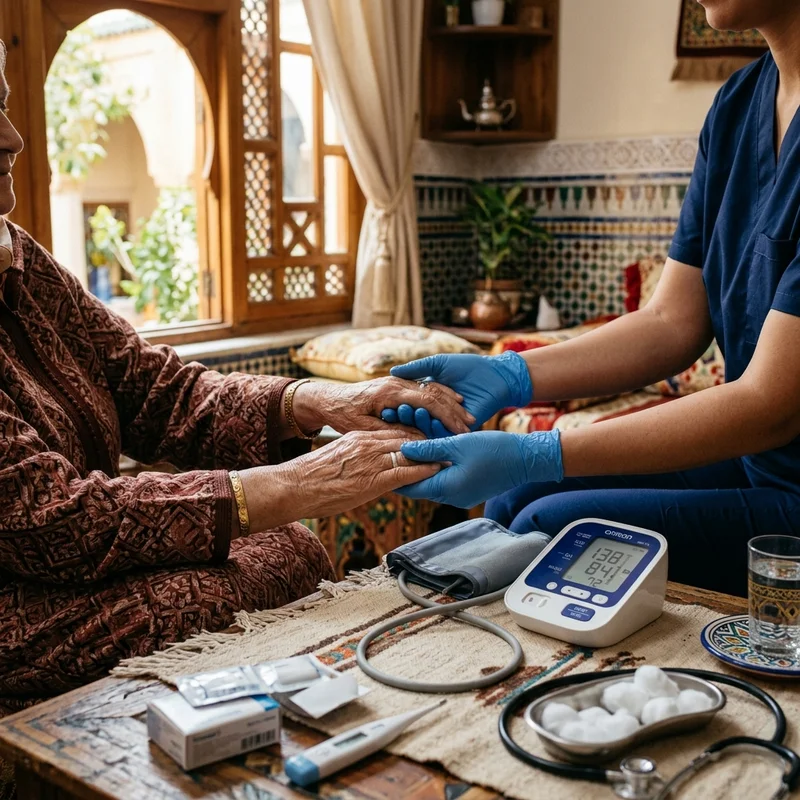
Elderly Home Medical Care in Tangier: The Complete Guide
Does your elderly parent in Tangier need medical care? High blood pressure, falls, dehydration: learn why a home doctor is the best solution for senior healthcare.

Flu Season in Tangier: Symptoms, Prevention & When to Call a Doctor
Flu season is hitting Morocco hard. Learn how to recognize symptoms, protect yourself, and when to call a home doctor in Tangier.