

Medical Emergencies During Eid al-Fitr in Tangier: Prevention & Advice
Eid al-Fitr marks the end of Ramadan with family celebrations and festive meals. Learn about the most common emergencies during this holiday and how to protect your family in Tangier.
Written by Dr Mehdi El Amrani
Gastroenterology and emergencies — Enurgence
Medically reviewed by Dr Karim Bennani
Published
Last medically reviewed
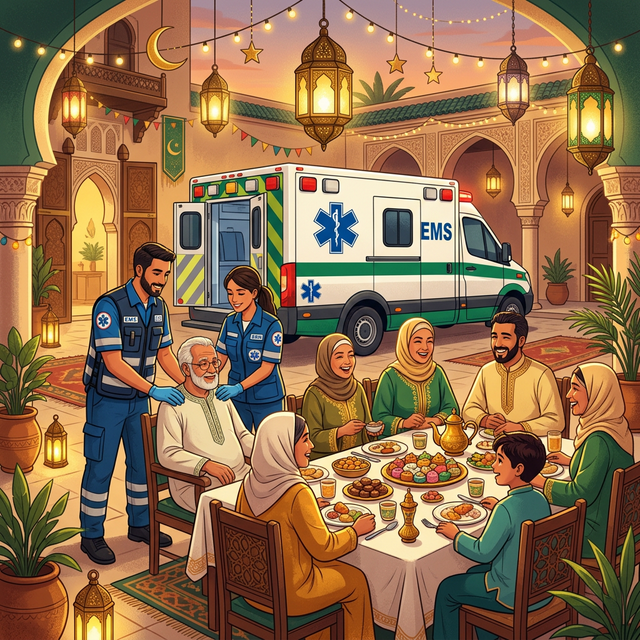
Eid al-Fitr: A Joyful Celebration with Real Medical Risks
Eid al-Fitr is one of the most important celebrations in the Islamic calendar, marking the end of the holy month of Ramadan. It brings together families for lavish meals, gift-giving, and festivities. However, after a full month of fasting, the body undergoes a sudden dietary shift that can trigger medical emergencies — especially in vulnerable individuals.
In Tangier, the Enurgence.ma medical team remains fully operational 24/7 throughout Eid, including public holidays, ready to visit your home in under 20 minutes.
The 7 Most Common Medical Emergencies During Eid al-Fitr
1. Indigestion and Gastrointestinal Issues
This is the leading emergency during Eid. After a month of fasting, the stomach has shrunk and adapted to two meals per day. The sudden switch to rich, sugary, and heavy foods (Moroccan pastries, roasted meats, fried dough) frequently causes:
- Severe bloating and abdominal pain
- Nausea and vomiting
- Gastroesophageal reflux (intense heartburn)
- Diarrhea or sudden constipation
Medical advice: Gradually reintroduce rich foods. Start Eid morning with a light breakfast (dates, milk, whole grain bread) before moving to festive dishes.
2. Hypoglycemic and Hyperglycemic Crises (Diabetic Patients)
The transition from fasting to sugar-rich foods is particularly dangerous for diabetic patients. Moroccan Eid pastries (chebbakia, briouates, sellou) have a very high glycemic index. Watch for these warning signs:
- Hyperglycemia: excessive thirst, frequent urination, blurred vision, intense fatigue
- Hypoglycemia: trembling, sweating, confusion, palpitations
⚠️ Emergency: In case of a diabetic episode, call Enurgence.ma immediately. Our doctors can respond with necessary equipment (glucometer, injectable treatment) directly at your home.
3. Food Allergic Reactions
Eid meals often contain common allergens: tree nuts (almonds, walnuts), sesame, honey, and dairy. Children are particularly at risk when trying festive foods for the first time.
- Hives (itchy red patches)
- Facial swelling, lips, or tongue
- Breathing difficulties (life-threatening emergency!)
- Abdominal pain with vomiting
4. Childhood Domestic Accidents
Eid is a time of excitement for children: new clothes, firecrackers, outdoor play. The heightened excitement and relaxed parental supervision lead to increased accidents:
- Kitchen burns (tagines, kettles, frying)
- Falls and injuries (running, playing on stairs)
- Firecracker or firework injuries
- Accidental ingestion of small objects by toddlers
5. Hypertensive Crises
Very salty meals (olives, preserved meats, cheeses), combined with emotional stress from family gatherings and poorly timed medication adjustments, can trigger dangerous blood pressure spikes in hypertensive patients.
6. Anxiety and Emotional Distress
Eid can also bring emotional stress: difficult family dynamics, post-Ramadan fatigue, or loneliness for some people. Panic attacks and anxiety episodes are not uncommon and may require medical support.
7. Dehydration and Heat-Related Illness
If Eid falls during a warm period, long hours spent cooking or attending outdoor gatherings can cause dehydration, especially in children and the elderly.
If symptoms drag on, worsen, or stop you from staying hydrated, an examination on site settles the question. 06 64 54 84 12
How to Have a Safe Eid al-Fitr in Tangier
- Reintroduce food gradually: Don't jump straight from fasting to the richest dishes. Start with light foods on Eid morning.
- Monitor vulnerable people: Elderly family members, diabetics, hypertensive patients, and children need special attention.
- Stay hydrated: Keep water accessible throughout the day.
- Take your medications: Resume your normal treatment schedule from the first day of Eid.
- Childproof your home: Keep children away from the kitchen and firecrackers.
- Save our number: In case of emergency, call Enurgence.ma for rapid home medical intervention.
Enurgence.ma: Available Throughout Eid al-Fitr in Tangier
During the Eid holiday period, most medical practices and clinics operate on reduced schedules. Enurgence.ma remains your trusted solution: our doctors visit your home anywhere in Tangier, 24/7, including during Eid nights and public holidays.
Feeling unwell after the Eid feast? A child injured while playing? A diabetic parent showing warning signs? There's only one reflex: call us.
📞 Emergency during Eid? Call Enurgence at +212 664 548 412 — we are available 24/7, including public holidays.
Frequently Asked Questions (FAQ)
Is Enurgence open during Eid al-Fitr?
Yes, we remain fully operational 24/7 throughout Eid, including on official public holidays. Call +212 664 548 412.
What should I do for indigestion after the Eid feast?
Reintroduce food gradually. If vomiting persists for more than 6 hours or abdominal pain is severe, call a doctor immediately.
Does the doctor speak English?
Yes, all Enurgence doctors speak fluent English, French, and Arabic.
Medical references
- Food safety — fact sheet — Organisation mondiale de la santé (OMS)
- Food poisoning — NHS (Royaume-Uni)
Need a medical opinion in Tangier?
If symptoms drag on, worsen, or stop you from staying hydrated, an examination on site settles the question.
More on this topic: seasons and environment · home doctor in Tangier · our medical team
Related articles

Health & Medical Emergencies During Ramadan: Everything You Need to Know
Ramadan brings significant changes to eating habits and daily rhythms. Learn how to protect your health, recognize emergency warning signs, and know when to call a doctor during the holy month.
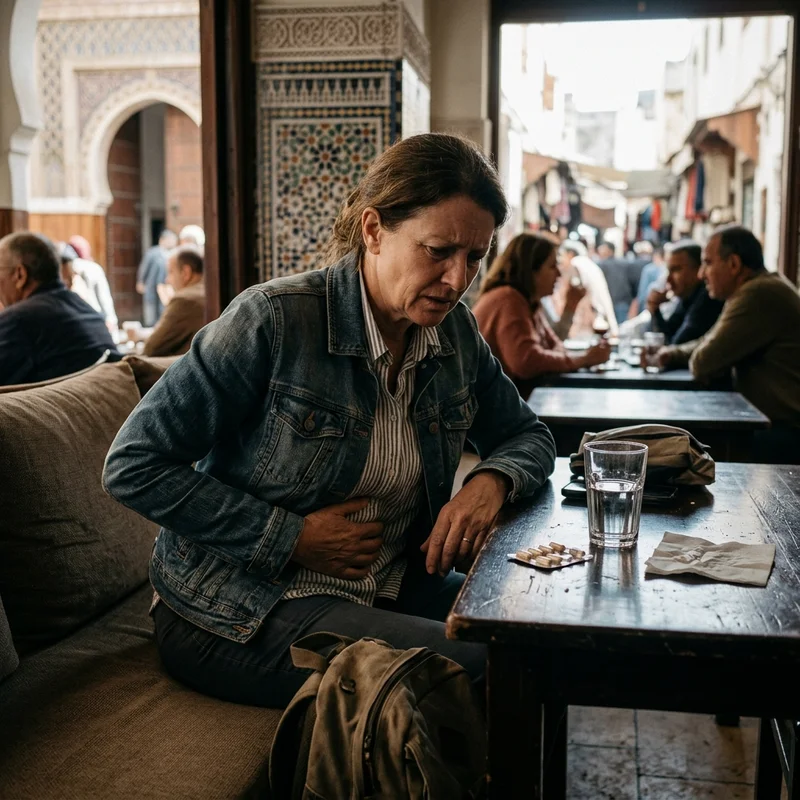
Food Poisoning in Tangier: What to Do and When to Get Seen
Most food poisoning settles on its own within one to three days. The real risk is not the germ — it is fluid loss.

Flu Season in Tangier: Symptoms, Prevention & When to Call a Doctor
Flu season is hitting Morocco hard. Learn how to recognize symptoms, protect yourself, and when to call a home doctor in Tangier.